A Flush Is Not a Rinse: Five Cleaning Myths That Cost Time
April 5th, 2027
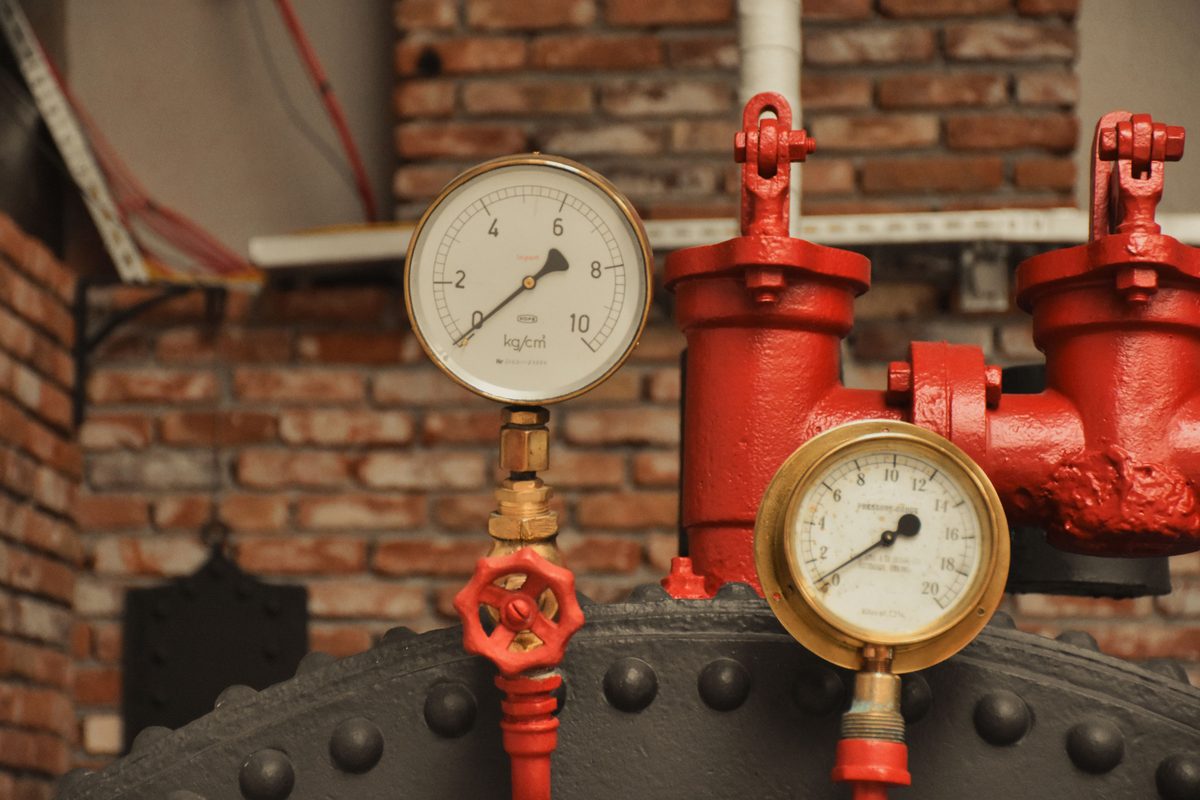
Flushing looks like plumbing. Water goes in one end, comes out the other, and the pipe is clean. That simple picture is responsible for a lot of wasted time, repeated work and damaged equipment.
Here are five myths we hear often, and what is actually going on.
Myth 1: Clear Water Means a Clean System
Clear water tells you that the water is clear. It does not tell you what is stuck to the pipe wall, sitting in a low point or hiding behind a closed valve.
Mill scale, weld slag and fine particulate can sit in a line long after the water runs bright. Some of it only moves when the flow changes direction, the velocity increases or the system is knocked or vibrated.
The test is not the color of the water. The test is a written acceptance criterion: velocity, duration, filter condition, particle counts or a Millipore patch result. If nobody defined clean, clear water is just a feeling.
Myth 2: A Bigger Pump Always Makes a Better Flush
Velocity matters more than pump size. A large pump connected to a small line may produce a modest flow if the loop is long, the fittings are restrictive or the discharge path is undersized.
The flush needs enough velocity to lift and carry debris, and that number depends on the pipe diameter and the material being removed. Increase the flow in the right place and you get a better result. Increase the pump and ignore the loop and you get a bigger water bill.
Pressure has a similar trap. More pressure is not automatically better. It can damage temporary hoses, overload strainers or create a jet that is dangerous to people nearby. The plan should come from the system, not from the biggest unit on the yard.
Myth 3: Flushing Is Just Rinsing With Water
A rinse wets the surface. A flush moves material.
That distinction changes everything about how the job is set up: the loop design, the velocity, the strainer placement, the discharge point and the acceptance check. It also changes how long the work takes. A proper flush is a controlled process, not a hose in a manway.
Some systems need more than water. Oily residue, chemical scale or biological growth may need a cleaning stage, a surfactant, a passivation step or a drying step afterward. Water alone is the right answer only when water alone can do the job.
Myth 4: If It Looks Clean, It Is Clean
Most of the contamination that matters is invisible from the outside. Even inside, a pipe that looks shiny can hold a thin film that later breaks loose into a bearing, a control valve or a heat exchanger.
Look at the evidence, not the surface: what came out of the strainer, what the patch shows, what the particle count says, what the filter looks like after the last pass. The final records should show a trend, not a single hopeful observation.
And remember that clean is system-specific. A line that is clean enough for cooling water may not be clean enough for a turbine lube oil system. The standard belongs to the system, not to the crew's judgment on the day.
Myth 5: You Can Flush Later If You Need To
Flushing after startup is possible. It is also much harder.
Once the system is running, access changes, permits multiply, production schedules get involved and every temporary hose has to be routed around live equipment. Debris that would have been removed in a day can take weeks to chase through the plant.
Worse, some of the damage happens before anyone notices. A pump can be eroded, a valve can stop sealing or a heat exchanger can foul in the first hours of operation. The cost of flushing early is almost always lower than the cost of cleaning up after a contaminated start.
The Common Thread
Every myth comes back to the same mistake: treating flushing as a generic activity instead of an engineered one.
Define the system, define clean, calculate what it takes to get there and prove the result. That is the difference between a rinse and a flush, and between a startup that stays on schedule and one that keeps finding debris in places it should not be.
At Volantis Group, Inc., we plan and execute fluid system flushing and debris removal with written acceptance criteria, including high-velocity flushing and Millipore patch verification. If your cleaning plan needs a second look, contact our team.
Posted in: Fluid System Flushing & Debris Removal