When the Flush Water Comes Back Dirty
October 5th, 2027
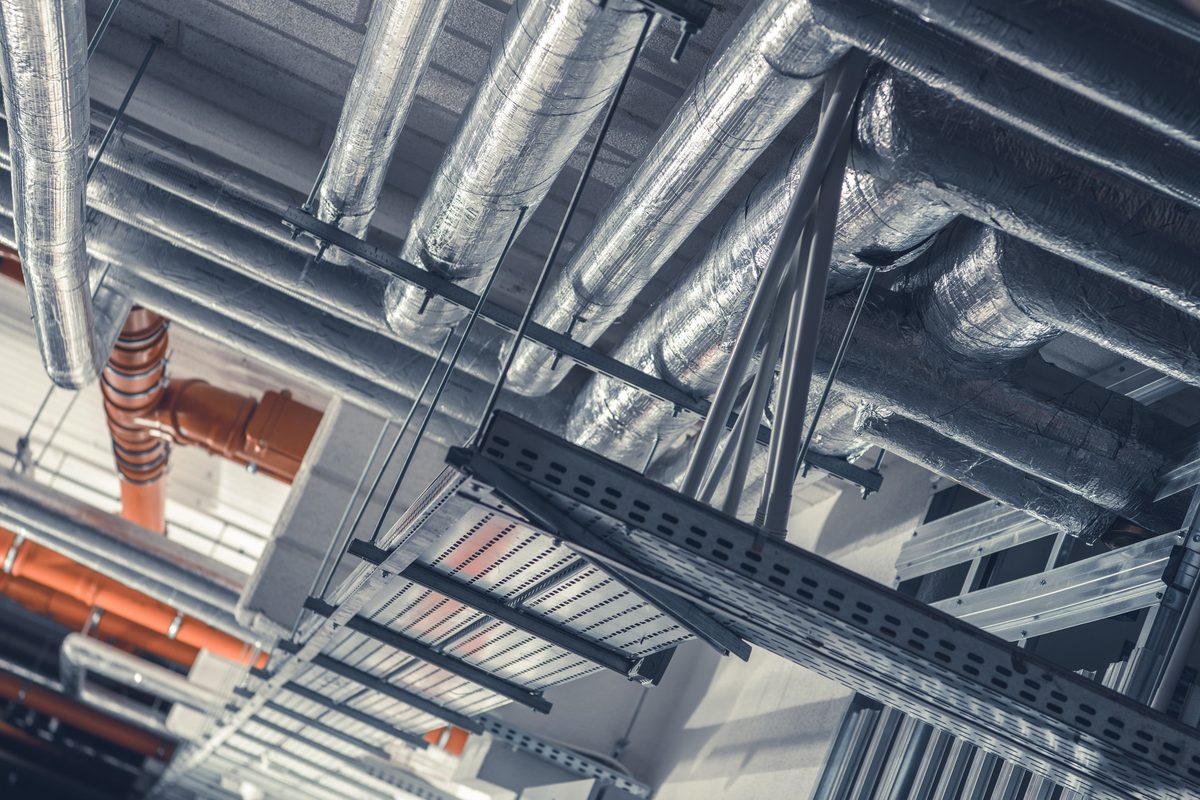
The first flush is running. The discharge looks murky, then brown, then almost black. Someone radios the lead. The schedule is tight. The question in the room is immediate: is this normal, or is something wrong?
The honest answer is that dirty water is expected on a first flush. A new piping system is full of material that was never meant to stay there: mill scale, weld slag, dust, oil and loose particulate. The flush is supposed to bring it out.
But "expected" is not the same as "ignore it." What comes out, when it comes out and how fast it clears tell you whether the flush is working or whether you are about to chase a problem.
Look at What Is Coming Out
Color alone is a poor diagnostic. Brown water can be rust, mill scale or soil. Black water can be carbon, oil or biological material. A milky tint can be fine particulate or an additive.
Look at the solids. Catch a sample in a clean container and let it settle. Is there sand, grit, flakes, fibers or a slimy film? Is the material magnetic? Does it feel oily? A strainer basket or filter element often tells you more than the water itself.
Then compare the sample with where the flush is being taken. If the loop was just connected to a section that was never cleaned, the answer may be obvious. If the system was supposed to be clean and the discharge is full of debris, stop and investigate.
Watch the Trend, Not the Snapshot
A single dirty sample proves that debris exists. It does not prove that the flush is failing.
The useful question is whether the discharge is getting cleaner. Compare samples over time, inspect the strainer after each pass and track the filter condition. A flush that starts dirty and trends clean is doing its job. A flush that stays dirty after several passes is telling you something else.
Also watch where the debris appears. If it is concentrated at one point, the flow may be bypassing a section or the loop may be pulling from a dead leg. If it appears everywhere, the contamination may be coming from a source the flush cannot reach.
Check the Basics Before You Flush Harder
The instinct is to increase the pump, extend the duration or add more water. Before that, check the setup.
Is the loop actually circulating through the whole system, or is there a closed valve, a bypass or a dead leg? Is the strainer doing its job, or is it so full that flow has dropped? Is the discharge point pulling debris back into the loop?
Are the velocity and duration right for the line size and the material? A flush that was designed for one section may not be adequate for another. A higher velocity is not automatically better if the temporary piping, hoses or strainers cannot take it.
And check the source water. If the incoming water is carrying solids, the flush is being asked to do two jobs at once.
Do Not Turn a Flush Into a Cleanup
When the water stays dirty, the temptation is to keep flushing until it clears. That can work, but it can also move contamination into places where it is harder to remove.
Debris that passes through a strainer can reach a control valve, an instrument impulse line, a pump or a heat exchanger. The further it travels, the more expensive it is to find.
If the discharge is not improving, stop and sample the system. Look for the source: a section that was not flushed, a temporary connection that is bypassing the loop, a strainer that is bypassing debris, or a cleaning step that was skipped.
Know When to Stop
The end point is not "the water looks clear." It is the acceptance criterion in the procedure: a defined velocity, a duration, a filter condition and a documented result.
When the criterion is met, record it. Take the sample, photograph the patch or filter, note the readings and sign the record. The next shift should not have to guess whether the flush was finished.
If the criterion is not met, say so. A system that is not clean is a known risk. A system that everyone believes is clean but is not is a much worse one.
Dirty Water Is Information
A flush is one of the few moments when you can see what was inside the system. Treat the dirty water as evidence, not as an inconvenience.
Look at it, sample it, trend it and respond to what it tells you. The flush is doing its job when the right material comes out and the records show it is gone.
At Volantis Group, Inc., we plan and execute fluid system flushing and debris removal with controlled velocity, staged filtration and documented acceptance criteria. If a flush is not clearing, contact our team before the next pass.
Posted in: Fluid System Flushing & Debris Removal