When to Pig, and When Not To
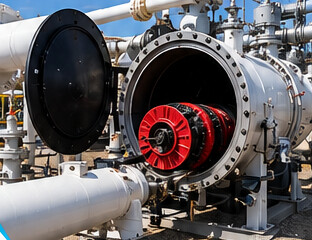
Pigging is the right answer on long, straight, single-diameter lines. A pig is driven the length of the run by the product behind it, and the tooling decides what it does on the way through: foam and brush pigs remove debris and mill scale, gauging plates prove the bore is clear, swabbing pigs take water out after hydrotesting, and caliper and intelligent pigs measure the line rather than clean it.
It is the wrong answer on complex networks. Pigs cannot negotiate multiple diameter changes, tight radius bends or branch tees, and a pig that stops mid-run is a recovery operation. Volantis Group runs both methods, so the recommendation is based on the line rather than on which service is being sold.
Where FuryFlush Replaces Pigging
On complex, large-diameter or multi-branch networks, FuryFlush™ does the cleaning instead. An aerated water slug is driven through at 40–80 ft/s, following branches and elevation changes a pig cannot reach, and the entrained air raises the apparent viscosity so debris stays suspended to the discharge. No pig is launched, so there is nothing to get stuck.
Pigging Services We Provide
- Pre-commissioning cleaning Foam, brush and magnetic pigs in multi-stage cleaning trains to remove debris, mill scale and construction residue.
- Dewatering and drying Swabbing pigs and drying trains after hydrotesting, integrated with azeotropic drying.
- Gauging Plate pigs to verify internal diameter and detect obstructions before anything else is run.
- Caliper (geometry) Detection of dents, ovality and deformation, and a baseline geometry record for the line.
- Intelligent inspection MFL and UT tools for corrosion and wall-thickness assessment with condition reporting.
- Operational pigging Routine cleaning and maintenance runs for wax, scale and debris once the line is live.
Pipeline pigging is carried out within VGI's pipe flushing and debris removal scope.
Back to Solutions